Helpful Article
Honouring Loved Ones During Canada Day: Meaningful Ways to Remember and Reflect

Canada Day is often filled with celebration, fireworks, and national pride, but for many, it can also bring a quiet moment of reflection for loved ones who are no longer here. While the nation celebrates together, personal memories can feel even more meaningful during this time. The contrast between public celebration and private reflection can make the day emotionally complex, especially for those grieving a loss.
For some, Canada Day becomes a reminder of shared summers, family gatherings, or traditions that included someone who is now gone. For others, it is a quiet opportunity to feel close again in memory, even if only for a moment. This blog explores thoughtful and heartfelt ways to honour those you miss while still embracing the spirit of the day. Whether through tradition, reflection, or simple gestures, remembrance can be a powerful and healing part of the holiday.
Rather than separating grief from celebration, this guide encourages finding space for both. Love and memory do not disappear with loss—they simply change form. Canada Day can become not only a celebration of country, but also a celebration of life, legacy, and connection.
Creating Personal Traditions of Remembrance
One of the most meaningful ways to cope with loss during significant holidays is through personal tradition. Rituals give structure to emotions and create a sense of continuity from year to year. They do not need to be elaborate or formal; in fact, the simplest traditions are often the most powerful.
Lighting a candle in memory of a loved one is a gentle but profound act. It can be done in the morning before the day begins, or at night while fireworks light the sky. The flame becomes a symbol of presence—something steady and warm in contrast to absence. Some families choose to gather around the candle together, while others prefer a private moment of reflection.
Visiting a meaningful place can also be deeply grounding. This might be a favourite park, a lake where summers were spent together, a cottage, or even the family home. Returning to these places allows memories to surface naturally, without pressure. It can feel like stepping briefly into shared time again.
Sharing stories at a family gathering helps keep memories alive in conversation. Instead of avoiding the topic of loss, families can intentionally include it. Talking about funny memories, meaningful lessons, or cherished moments can bring both laughter and tears, often at the same time. This blend of emotions is part of healthy remembrance.
Wearing something symbolic is another subtle but powerful tradition. Some people choose a specific colour, piece of jewellery, or even a small photo pin. These items act as quiet reminders throughout the day, offering comfort without needing explanation.
Over time, these traditions become anchors. They provide stability in a day that might otherwise feel emotionally unpredictable.
Meaningful Ways to Include Loved Ones in Canada Day Celebrations
Including loved ones in celebration does not mean focusing on loss—it means acknowledging that they are still part of your story. Small gestures can create a sense of continued presence within family traditions.
Setting a place at the table in their honour is a simple but deeply symbolic act. It does not have to be elaborately decorated. Even an empty chair or a framed photo can be enough to represent their place within the family. This gesture reminds everyone that love does not end, even when someone is no longer physically present.
Playing their favourite music during gatherings can shift the emotional tone of the day in a meaningful way. Music has a strong connection to memory, and a familiar song can instantly bring someone to mind. It can also encourage storytelling, as family members recall why certain songs were meaningful.
Sharing a toast or moment of silence allows everyone to collectively acknowledge the person being remembered. This can be done before dinner, during fireworks, or at sunset. A toast does not need to be formal—it can be a few simple words spoken from the heart.
Creating a memory jar is another interactive and healing activity. Family members write down memories, messages, or thoughts and place them in a jar throughout the day. Later, these notes can be read together or saved for future Canada Days. This practice helps transform grief into shared reflection.
These gestures create space for inclusion rather than separation. They allow remembrance to exist naturally alongside celebration, without diminishing either.
Outdoor Reflection and Community Connection
Canada Day is often spent outdoors, surrounded by nature, community events, and fireworks. These environments can offer unexpected comfort for those experiencing grief.
Attending fireworks with quiet reflection can be a meaningful experience. While fireworks are often associated with excitement and celebration, they can also serve as a moment of personal connection. Watching the sky light up can become symbolic—each burst of light representing memory, presence, or love that still exists in spirit.
Taking a walk in nature offers a quieter alternative. Parks, trails, and waterfronts provide space for reflection without distraction. Walking can help process emotions in a gentle, physical way. Some people find that movement makes memories feel less heavy and more fluid.
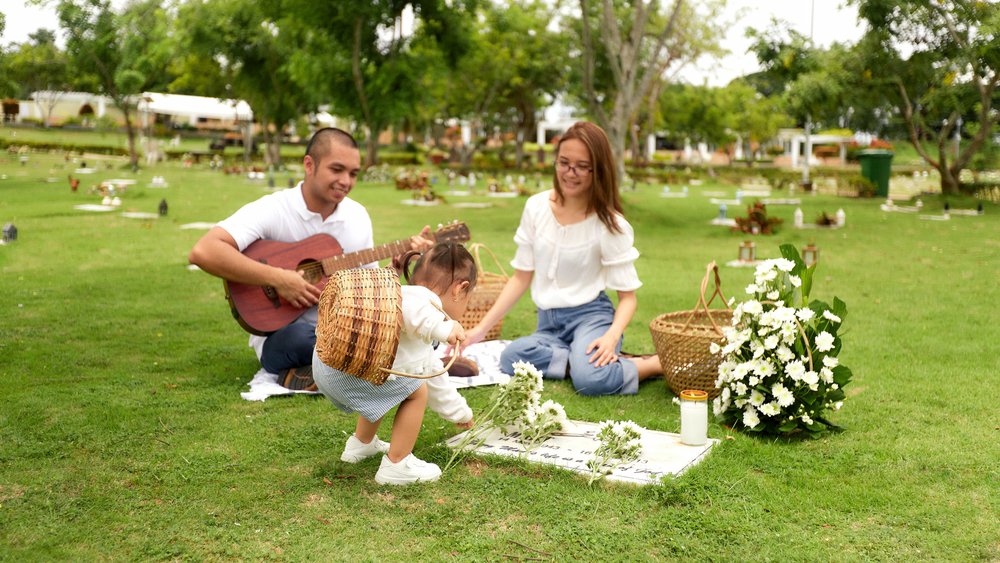
Visiting a memorial site or cemetery is another way to honour a loved one during the holiday. Bringing flowers, sitting quietly, or simply spending time in their presence can be grounding. It allows grief to be acknowledged rather than pushed aside for the sake of celebration.
Participating in community events with personal meaning can also be comforting. Even in large crowds, it is possible to feel connected both to community and to memory. Some people find peace in simply being around others, even if they are quietly reflecting at the same time.
Nature and community together create balance. They remind us that life continues in many forms, even as we remember those who came before.
Creating Lasting Tributes and Keepsakes
Beyond Canada Day itself, many people find comfort in creating lasting tributes that preserve memory throughout the year.
A memory scrapbook or photo album can become a living story of a loved one’s life. It can include photographs, written memories, letters, and small keepsakes. Over time, this becomes a cherished object that families can return to whenever they need connection.
Donating to a charity in their name is another meaningful tribute. This act transforms grief into impact, allowing their legacy to support others. It can be especially meaningful when aligned with something they cared about—animals, healthcare, community support, or education.
Planting a tree or garden creates a living memorial. Unlike static tributes, nature grows and changes over time. Watching a tree or plant flourish can become a powerful reminder that love continues to evolve even after loss. Each season brings new symbolism—growth in spring, strength in summer, reflection in autumn, and rest in winter.
Writing a letter to a loved one is a deeply personal practice. It allows for honest expression without limitation. Some people write about their day, their memories, or simply things they wish they could say. These letters can be kept privately, shared with family, or placed somewhere meaningful.
These lasting tributes help transform grief into continuity. They ensure that remembrance is not limited to one day but remains present throughout life.
Living With Memory Beyond the Holiday
While Canada Day can be a focal point for remembrance, grief and memory are not limited to holidays. Many people find that the most meaningful connections happen in everyday moments.
A familiar song on the radio, a shared recipe, or even a certain time of year can bring someone back into focus. These moments are not setbacks—they are part of the ongoing relationship we maintain with memory.
It is also important to recognize that grief changes over time. What feels heavy one year may feel different the next. Some years, Canada Day may feel emotional and reflective. Other years, it may feel more peaceful. There is no correct way to experience it.
Allowing space for both joy and sadness is essential. One does not cancel the other. In fact, they often coexist in deeply human ways.
Conclusion
Honouring loved ones on Canada Day allows both celebration and reflection to exist together in a meaningful way. By creating personal traditions and gentle moments of remembrance, families can feel connected even in absence. These practices help transform the holiday into something more personal, grounded, and healing.
This Canada Day, take time to celebrate life, memory, and the people who continue to hold a place in your heart. In doing so, you allow love to remain present in both quiet reflection and shared celebration.